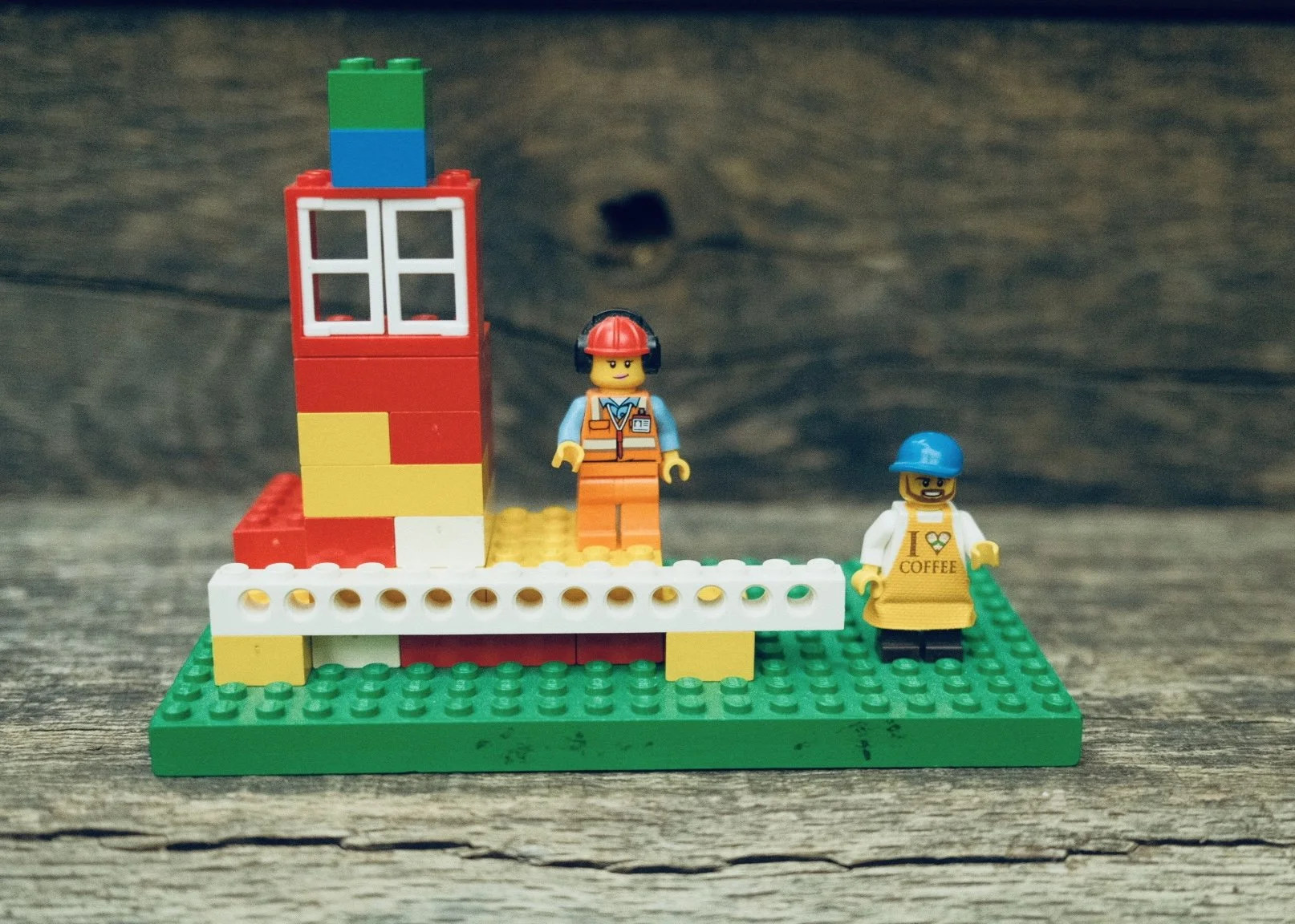
Our journal“He sees stories all around him in the world and uses them in practical, understandable ways to help others become great storytellers.” Ian Sanders 22/10/2026 Ian Sanders 22/10/2026 A magazine and a Bialetti coffee maker: how connections really happen Read More Ian Sanders 21/10/2026 Ian Sanders 21/10/2026 Teaching storytelling at the BBC Read More Ian Sanders 10/09/2026 Ian Sanders 10/09/2026 Why I’m thinking about Lego Read More Ian Sanders 27/08/2026 Ian Sanders 27/08/2026 Stepping off the path Read More Ian Sanders 31/07/2026 Ian Sanders 31/07/2026 The real story behind my first book ‘Leap!’ Read More Ian Sanders 23/07/2026 Ian Sanders 23/07/2026 Don’t delete the important parts of you Read More Ian Sanders 06/07/2026 Ian Sanders 06/07/2026 “I care about you, not him.” Read More Ian Sanders 29/06/2026 Ian Sanders 29/06/2026 A brand story as a differentiator Read More Ian Sanders 26/06/2026 Ian Sanders 26/06/2026 The power of storytelling at Havens Hospices Read More Ian Sanders 23/06/2026 Ian Sanders 23/06/2026 ‘You breathe differently here.’ Read More Ian Sanders 03/06/2026 Ian Sanders 03/06/2026 My ‘Power of Storytelling’ Lunch & Learn Read More Ian Sanders 28/05/2026 Ian Sanders 28/05/2026 The discipline of making space Read More Ian Sanders 20/05/2026 Ian Sanders 20/05/2026 The creative habits that never let me down Read More Ian Sanders 06/05/2026 Ian Sanders 06/05/2026 ‘Independence’ as a career strategy Read More Ian Sanders 30/04/2026 Ian Sanders 30/04/2026 Think like an explorer: go on a Curiosity Safari Read More Ian Sanders 17/04/2026 Ian Sanders 17/04/2026 Introducing ‘Curve Ball Stories’ Read More Ian Sanders 16/04/2026 Ian Sanders 16/04/2026 Show us the human story and we’ll care Read More Ian Sanders 15/04/2026 Ian Sanders 15/04/2026 ‘What do you do?’ Why having a unifier helps when you’re multidimensional Read More Ian Sanders 30/03/2026 Ian Sanders 30/03/2026 Sharing the stories that shape us Read More Ian Sanders 27/03/2026 Ian Sanders 27/03/2026 Getting the John Lewis Partnership comms team in a story-first mindset Read More Older Posts
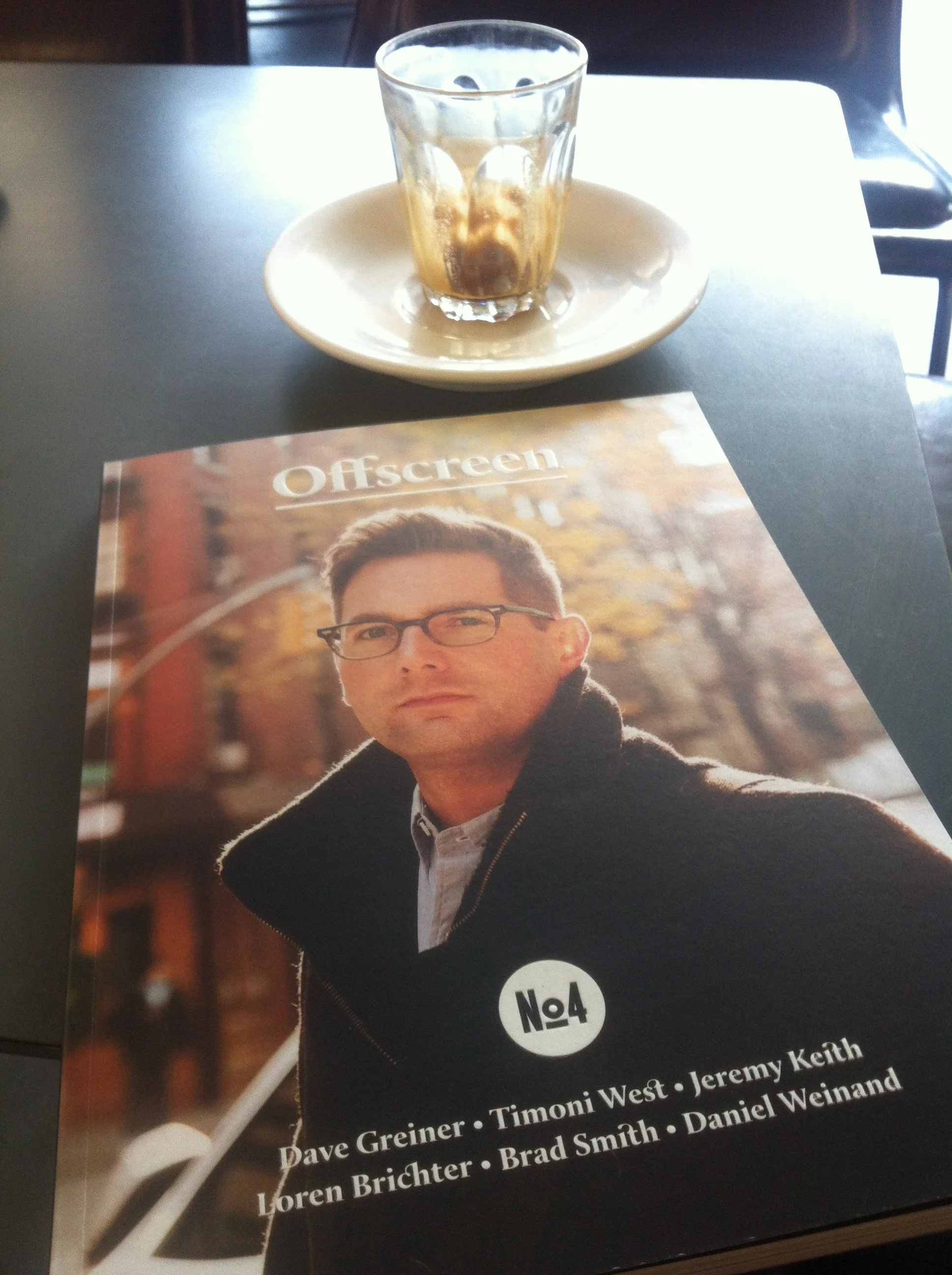
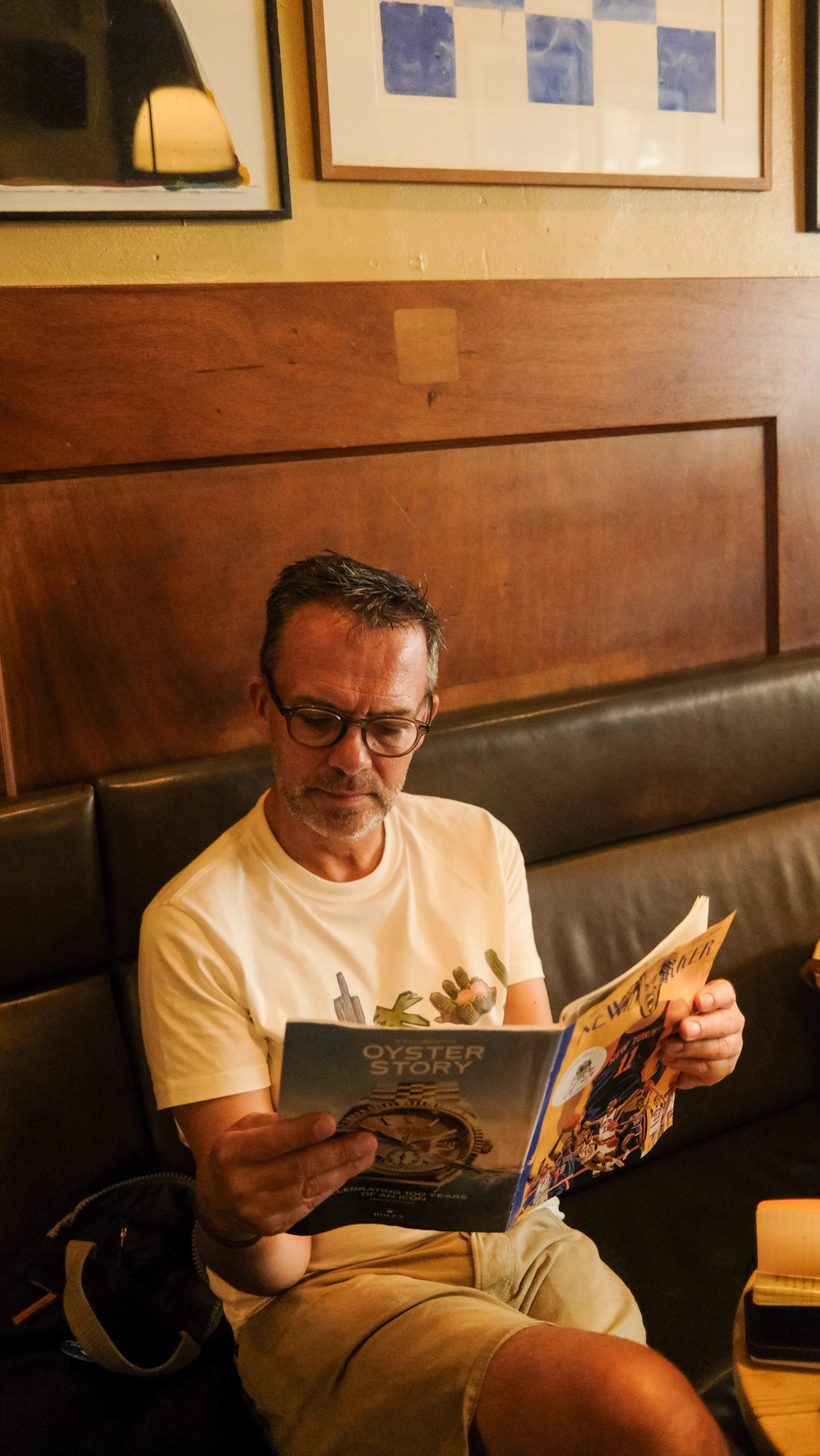
Ian Sanders 22/10/2026 Ian Sanders 22/10/2026 A magazine and a Bialetti coffee maker: how connections really happen Read More
Ian Sanders 30/04/2026 Ian Sanders 30/04/2026 Think like an explorer: go on a Curiosity Safari Read More
Ian Sanders 15/04/2026 Ian Sanders 15/04/2026 ‘What do you do?’ Why having a unifier helps when you’re multidimensional Read More
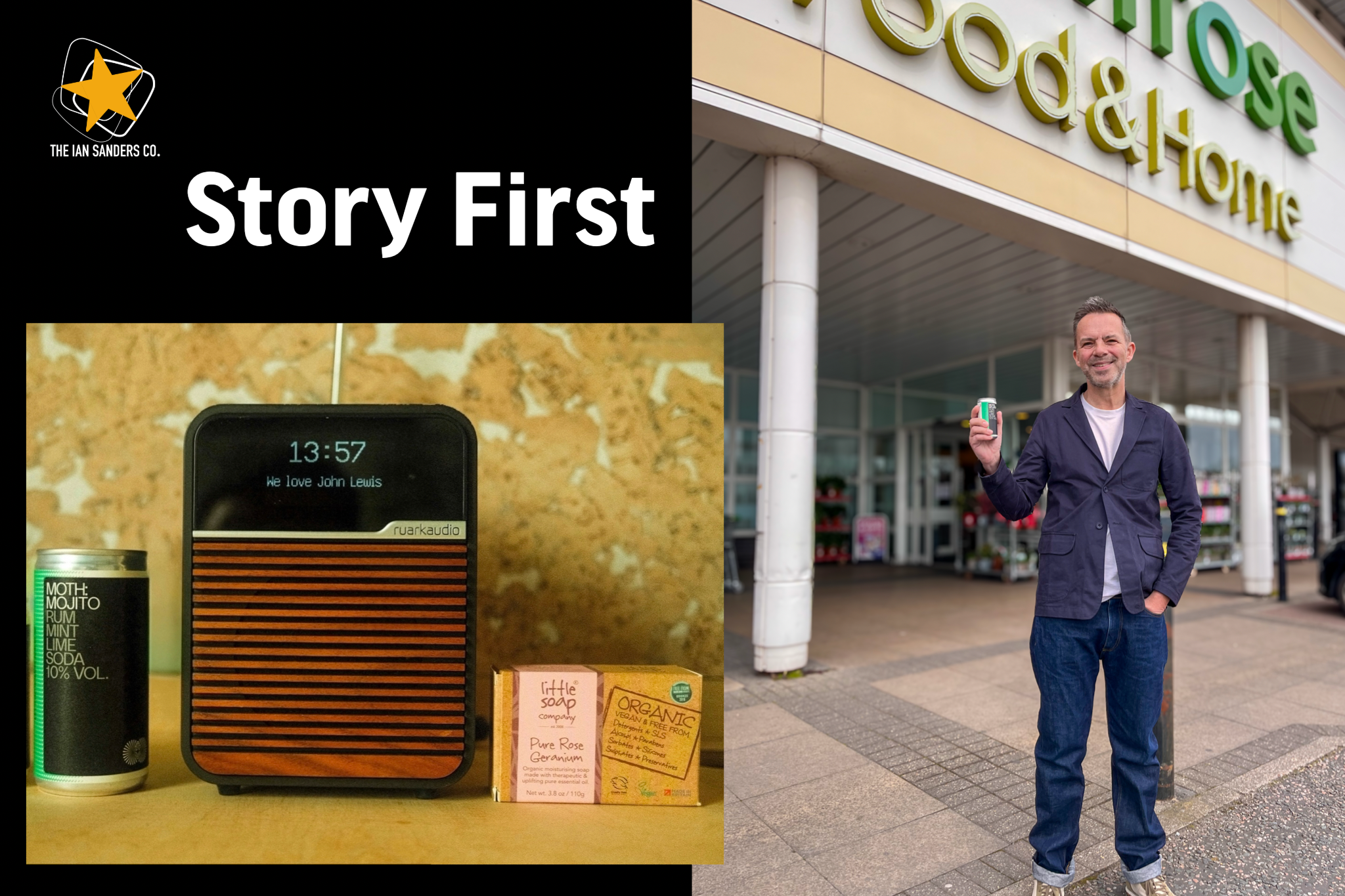
Ian Sanders 27/03/2026 Ian Sanders 27/03/2026 Getting the John Lewis Partnership comms team in a story-first mindset Read More